.., and other things besides – (see the last post) – did I tell you about the whistling duck before? The pronoun question has to be asked of ducks too of course; I don’t want to say ‘it’, and I think I’ll stick to ‘he’, not because he seems in any conventional sense masculine, but because he’s on his own, trying to fit in, an exile from who knows where. He’s quite distinctive, slight for a duck, and the front half of his head and face is white, the other half black. He lives with other ducks and geese who inhabit the in between world, not quite wild and not quite tame, most often seen among the birds who hang out at what has become a popular feeding place in town, the only place on the river without a sheer bank, a gently sloping shore which used to be a landing place for boats, but sometimes he ventures downstream where the river flows past the meadows, on the other side of the low railway bridge. I wondered what it could be until one day someone told me, and right on cue, he whistled. A fairly plain, musical whistle such as you or I might make. And that is still the only time I’ve heard him whistle.
And I should have said that with the heat the river turned green, and that I saw a small dead perch floating where the boys were fishing. To go with the hedgehog, I suppose. But the other day, after the rain the water seemed much more clear, the clouds fleecy and dramatic, a whirl of swallows over the river, and the cattle on the opposite bank performing perfectly and with the white clouds reflected in the water. Big clusters of perfectly ripe blackberries hanging down from the railway embankment, and you can get at them because the ditch is still dry and in places the heifers have trampled down the reeds.

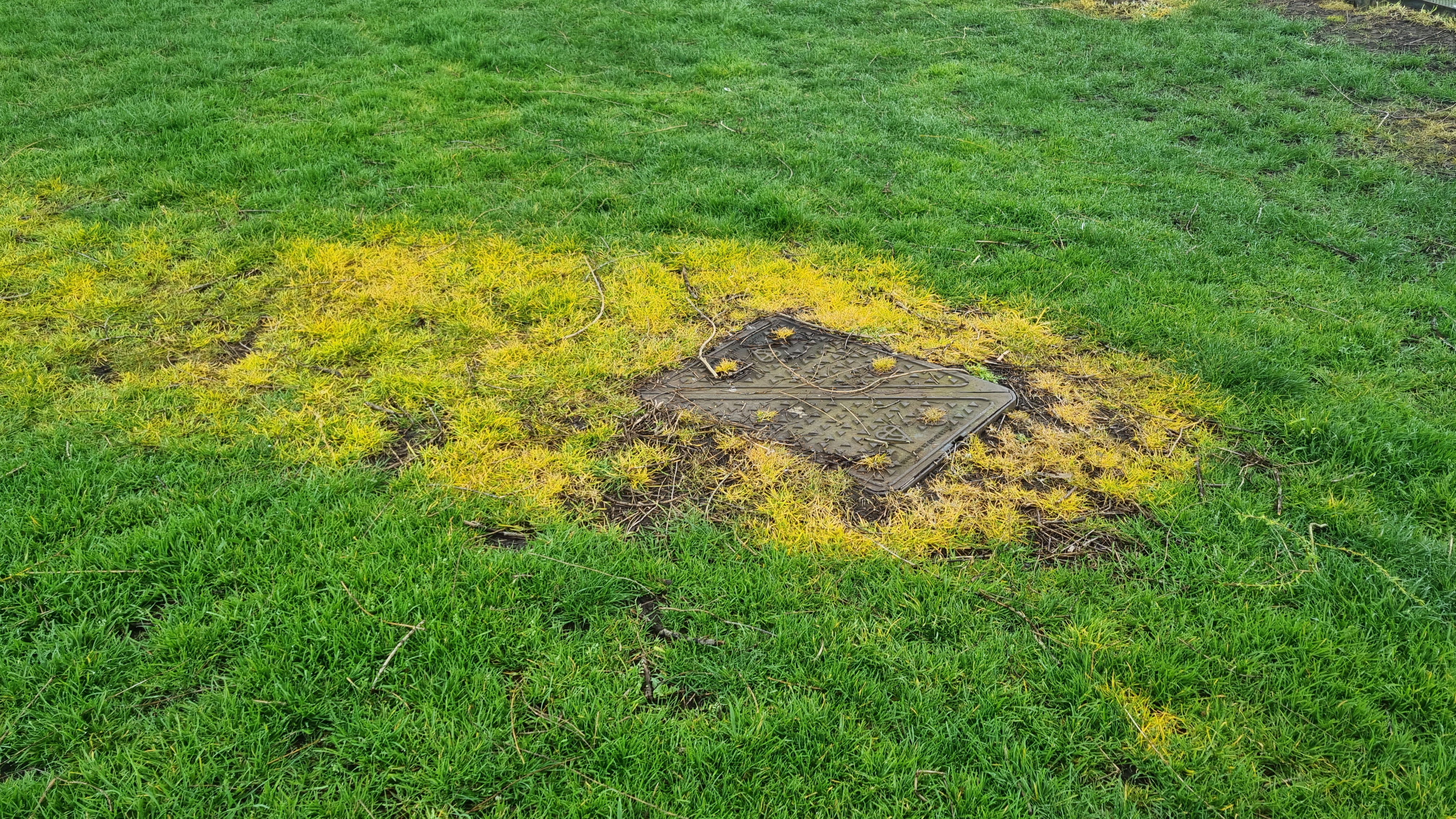
I became interested in the approaches to the meadows along the river footpath. After the small bay where pople feed bread and seeds to ducks and geese, comes the bridge with its locked gate to the marina on the other side of the river which always occasions a performance by the people who drive over to their boats: drive up to the gate, get out and unlock the gate, get back in and drive through, stop again and get out again and lock the gate, get back in and drive on. Then the path is cantilevered out over the water as it goes past the former Babylon Arts centre, which closed this year through lack of funding. Swallows must nest underneath, they speed in and out and dash along over the water. (To peep under and see where they nest you would have to be beyond the locked gate, on the other side of the river in the marina.) Then you walk beside a small park, boats tie up all along there and boys go fishing, where it’s still free. You sometimes see them catch little perch and throw them back in. A little while ago the water turned green. I saw a small dead fish floating on the surface. A boy told me it too was a perch. But after the recent rain the water quickly cleared again. East Cambridgeshire District Council made its mark with weedkiller in the park this spring. Around every bollard and post and man hole cover cover and bench they killed the grass, and in one or two places it looked as if the sprayer had continued to dribble or else they hadn’t turned it off as they walked away from a place that had to be sprayed because they left a dead trail through the grass.
I began to notice all the signs and notices which multiply as you walk towards the low railway bridge over the river which marks the end of the park and the beginning of the meadows. Most of them seem to be directed at the river traffic and you don’t notice them unless you leave the path and walk right on the edge of the river bank. The boats need a lot of regulation and warnings. ‘Raw sewage’, for example, information which would be better directed towards the park, at people who might be tempted to go for a swim. Under the bridge, where the goods trains make a scary noise as they pass just over your head, is a dignified oval disc with its number. Immediately after the bridge, just before the kissing gate, is a big ring attached to a post to be thrown into the water if someone is in difficulty. On the post is a three word geo-locator, three unconnected words which I’ve forgotten, and a six part instruction for releasing and throwing the ring, but unfortunately two of the instructions are covered over by the ring itself. (But, you fool, when you take the ring down, all the instructions become clear.) Near that is the sign which says No Fishing, unless you’re in the club. And next to that a picturesquely derelict narrow boat which brambles and nettles lean out to embrace, with a faded notice dated January from the authorities which says essentially, move this boat or else. On the boat is a ruined bicycle which also failed to get away. On the left the most delicious fat blackberries in huge clusters were just beginning to ripen when they were cut back but left in situ to wither and rot. I wrote to the council to complain about that but strangely, I never received a reply. But maybe it was the railway authorities who were the bramble vandals.
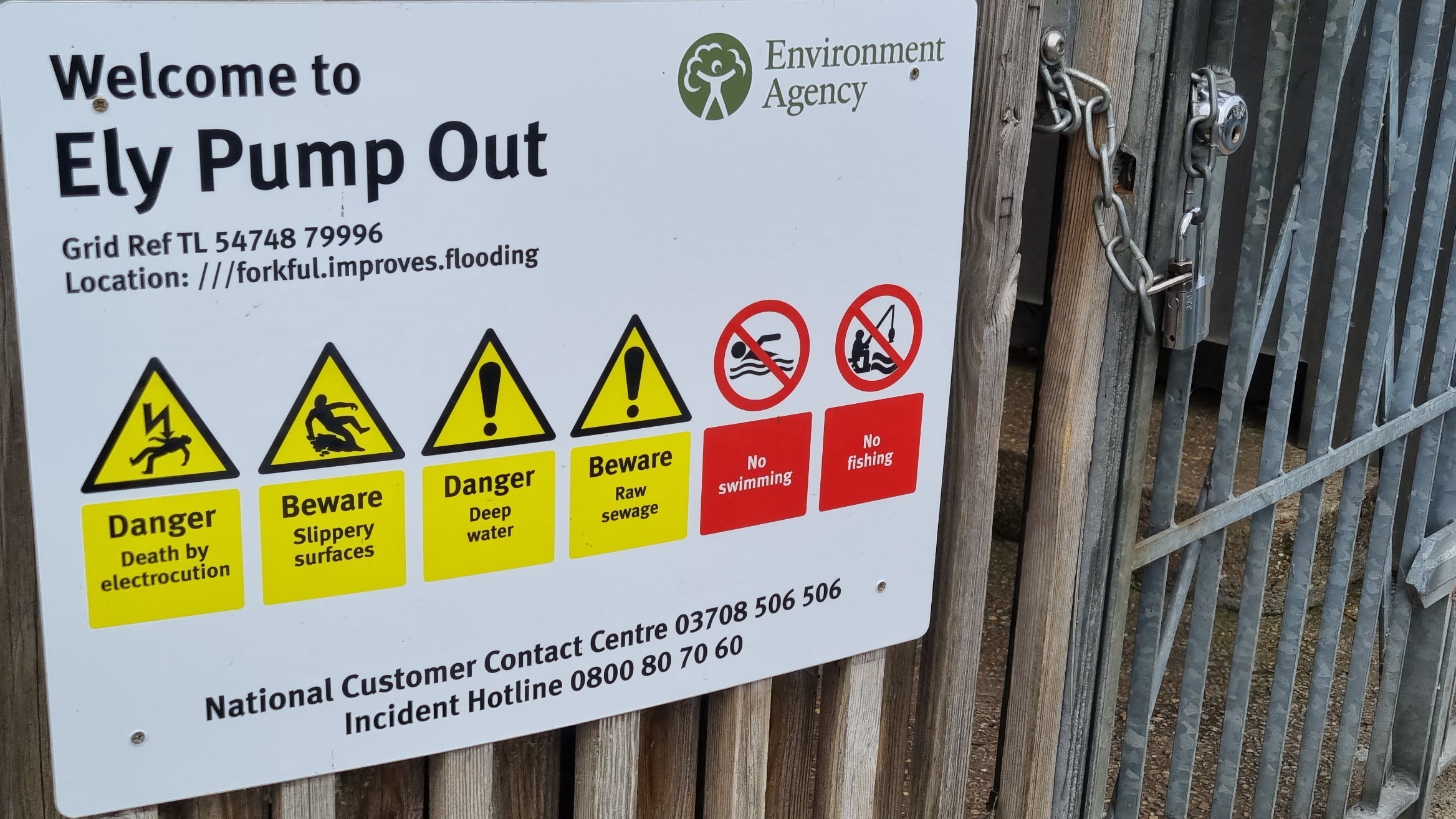


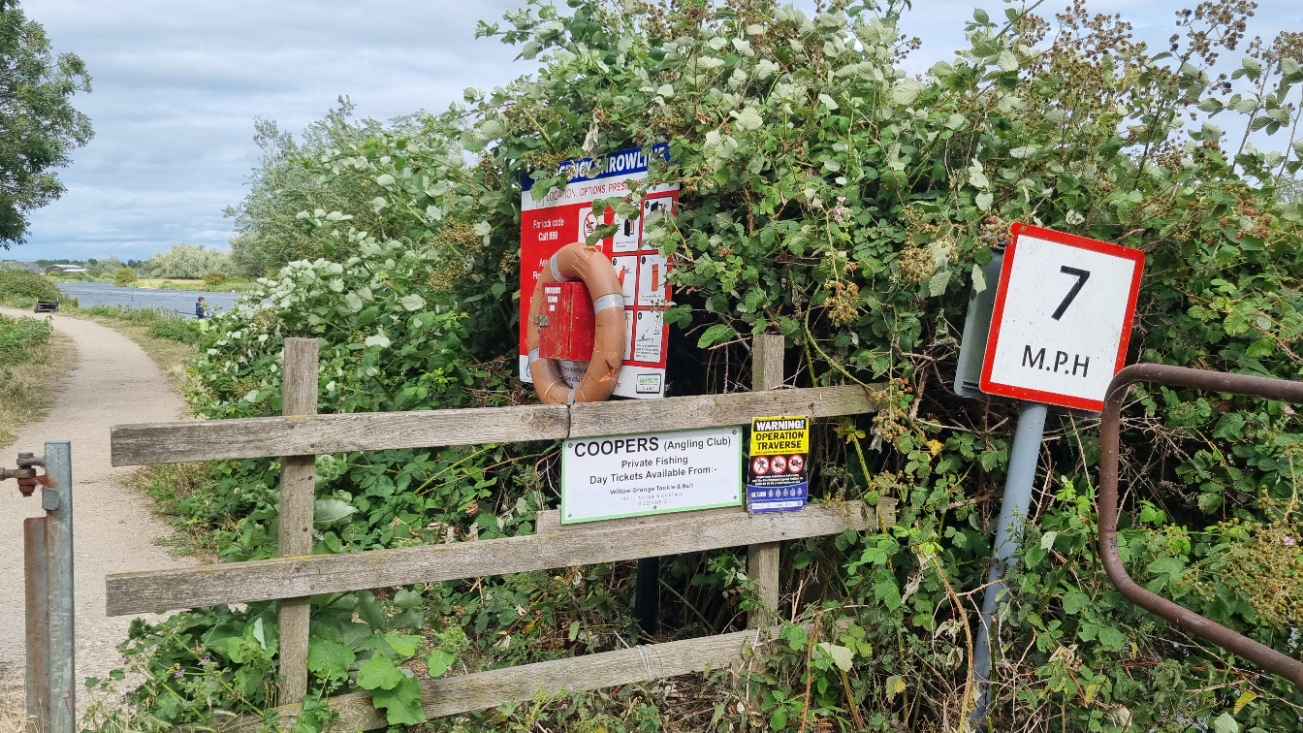

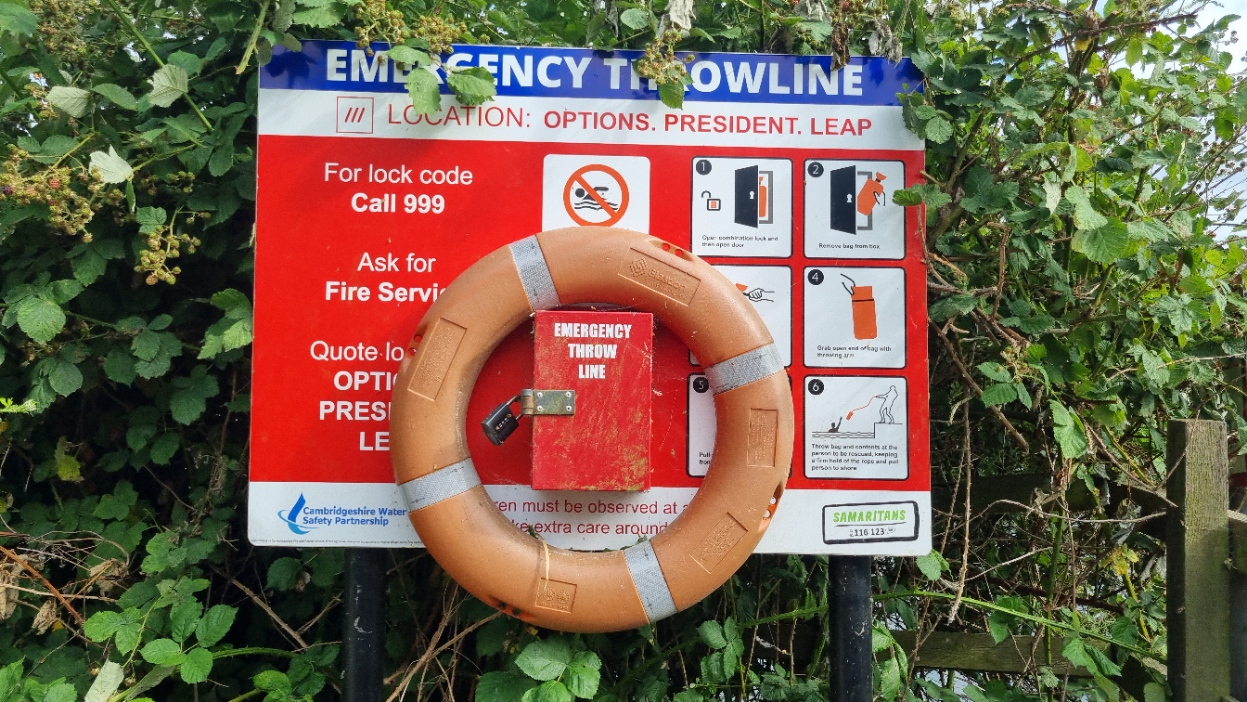

So many signs in such a small space – and that’s not all of them.
But then you’re through the kissing gate and out into the meadows and beyond words, which reminds me of going down to the shore of the Thames in central London – not only the never quite tamed river and the lapping of its little waves and the big tides rising and falling and the noise of traffic shut off, but no words: no posters, no traffic signs, no graffiti, no names, no warnings, threats or promises.
Further along on the railway embankment, accessible this dry year because the ditch that runs at the foot of the embankment is dry enough to walk on if you tread on reeds, there are still plenty of the best blackberries. Jean told me that there used to a big fruit garden on the other side of the railway line and that those extra big, early ripening blackberries come somehow from there. I’ve picked about 8 kilos so far, you can fill a big tub in no time. High up on top of the embankment invisible beyond the great tangle of brambles invisible diesels throb as they pass by and behind them the peaceful procession of containers squeaks and grumbles. And I looked up to see a tern, and to understand its special grace, the lilting way its wings cut the air, which distinguishes it from the black headed gulls. The dog flings herself into the river and swims for the ball, the geese and ducks, and even the grebe, aren’t bothered. They’re used to crazy dogs. But the swans show their disapproval. Men with a multitude of equipment are camped out along the river bank watching their rods.
Yesterday towards evening the sun was out and clouds were – but I already said that – the cattle took up their positions for a perfect moment. Now the bright long evenings are passing, that long moment of weeks when the sun moves way beyond west and even at midnight, even here in the south, there’s still a glow in the sky to the north.
I forgot that I’m making bramble jelly! Until a delicious smell from the kitchen reached me. Luckily it didn’t boil over. I had put the sugar into the strained juice and left it to boil –
I thought of the whistling duck again. And there he was! On the edge, not quite belonging to a gang of Canada geese, and he whistled! Several times. So I whistled back, and he immediately changed direction and began to swim towards me! I quite wanted to take him home, if I had a nice big pond. I am growing more sentimental and could easily become a vegetarian. I’ve had that thought a few times – to have a piece of watery land with a few geese and ducks.


 like a little black book